Is Calacatta Gold Quartz Expensive?-Expert Answer from Quartz Manufacturer

Calacatta Gold Quartz
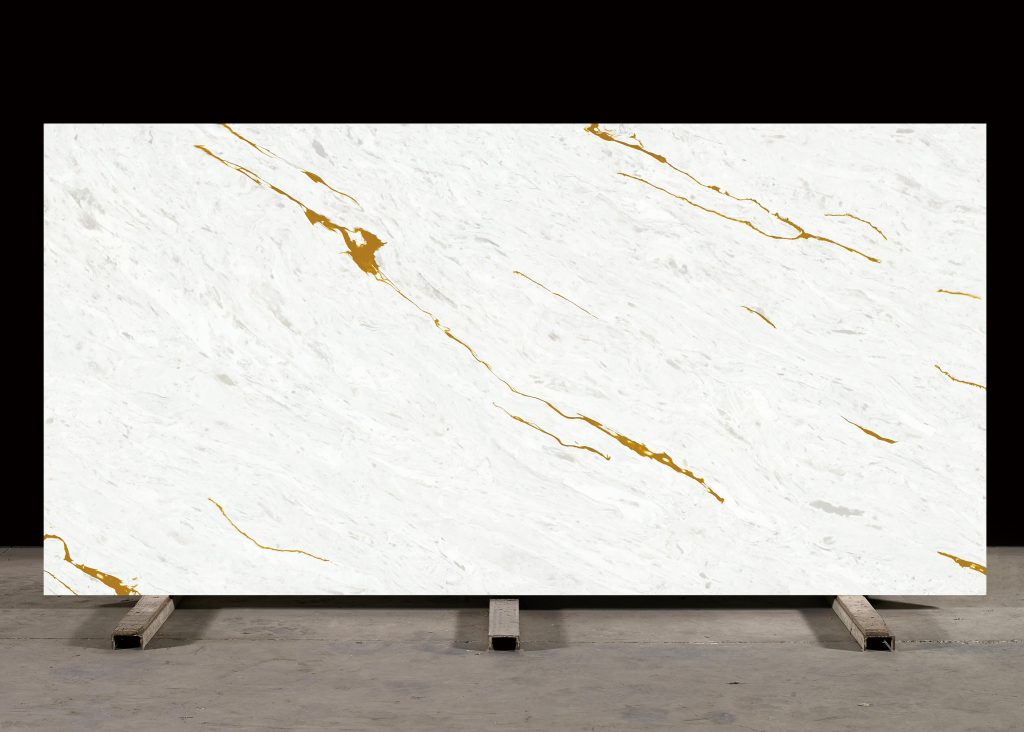
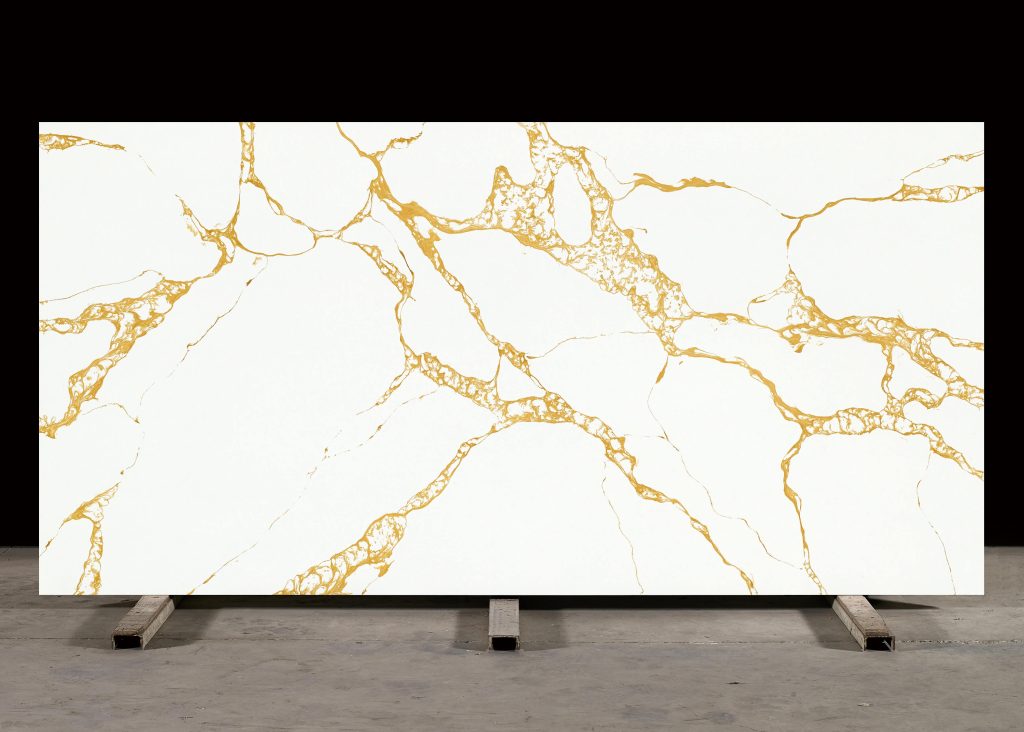
Embarking on a home renovation project, especially a kitchen or bathroom remodel, often brings you face-to-face with a myriad of material choices. Among the most captivating is Calacatta Gold quartz. Its striking resemblance to natural Calacatta Gold marble, with its pristine white background and dramatic, sweeping veins of grey and gold, has made it a favorite for those seeking a luxurious aesthetic. However, as you admire its beauty, a crucial question invariably arises: Is Calacatta gold quartz expensive?
In simple terms, Calacatta Gold quartz is positioned as a premium material within the engineered stone market. While its initial cost might seem higher than some alternatives, understanding its true value requires a deeper dive into its characteristics, benefits, and long-term cost-effectiveness. This guide aims to demystify the pricing of Calacatta Gold quartz, exploring the elements that influence its cost, comparing it with other popular materials, and ultimately helping you determine if it is the right investment for your home.

Table of Contents

Understanding Calacatta Gold Quartz

To fully appreciate the pricing of Calacatta Gold quartz, it is essential to understand what it is. Calacatta Gold quartz is an engineered stone, meticulously crafted to replicate the exquisite appearance of natural Calacatta Gold marble. This natural marble, quarried from the Carrara region of Italy, is renowned for its distinctive thick, bold veining in shades of grey and often subtle hints of gold, set against a brilliant white backdrop.
Unlike natural marble, which is a metamorphic rock formed over millions of years, quartz countertops are manufactured. They consist of approximately 90-95% natural quartz minerals, which are among the hardest minerals on Earth. These crushed quartz crystals are combined with high-quality resins, polymers, and pigments. This blend is then subjected to intense pressure and heat, creating an incredibly dense, non-porous slab. The result is a surface that not only captures the timeless beauty of marble but also offers superior performance characteristics, making it ideal for demanding environments like kitchens and bathrooms.

Deconstructing the Cost: Is Calacatta Gold Quartz Expensive?

When homeowners ask, “Is Calacatta gold quartz expensive?”, they are often seeking a concrete price point. Generally, the cost for Calacatta Gold quartz, including both the material and professional installation, typically ranges from $60 to $130 per square foot. This range places it firmly in the mid-to-high tier of the quartz market.
To provide a clearer perspective, let’s compare Calacatta Gold quartz with other common countertop materials:
Material Type
Average Cost Per Square Foot (Installed)
Key Characteristics
Entry-Level Quartz
$50 – $70
Uniform patterns, limited color options, good durability.
Calacatta Gold Quartz
$60 – $130
Premium aesthetic, dramatic veining, high durability, low maintenance.
Carrara Quartz
$55 – $90
Softer, feathery grey veins, classic marble look, good durability.
Calacatta Gold Marble (Natural)
$180 – $400
Exquisite natural beauty, unique veining, porous, high maintenance.
Granite (Standard)
$40 – $80
Natural stone, wide range of patterns, requires sealing, durable.
Laminate
$20 – $40
Most affordable, wide range of designs, less durable, prone to damage.

From this comparison, it is evident that Calacatta Gold quartz is a step up in price from basic quartz or standard granite. However, it offers a significant cost advantage over its natural marble counterpart, which can be two to three times more expensive. This positions Calacatta Gold quartz as an accessible luxury, providing a high-end look without the exorbitant price tag of natural stone.

Why Calacatta Gold Quartz Commands a Higher Price

The price difference between various quartz options, especially between a simple speckled design and the intricate Calacatta Gold, is not arbitrary. Several key factors contribute to why Calacatta Gold quartz is expensive relative to other engineered stones.

1. Intricacy and Realism of Design

One of the primary drivers of cost is the complexity of the pattern. Basic quartz designs feature uniform colors or small, consistent flecks, which are relatively straightforward to produce. Calacatta Gold quartz, however, requires advanced manufacturing techniques to create its signature dramatic, flowing veins that closely mimic natural marble. This process involves sophisticated machinery and skilled artisans to ensure the veins appear organic and continuous across the slab. The more realistic and intricate the veining, the higher the production cost, and consequently, the higher the retail price.

2. Brand Prestige and Technology

Leading quartz manufacturers, such as Silestone, Caesarstone, Cambria, and LBC Stone, invest heavily in research and development to produce superior products. These brands often use proprietary technologies to achieve exceptional clarity, depth, and durability in Calacatta Gold designs. Their commitment to quality control, extensive warranties, and strong brand recognition allows them to command higher prices. While some budget-friendly brands offer attractive alternatives, their patterns might be less refined or their material composition slightly different, leading to a 20-30% price difference.

3. Slab Thickness and Size

Quartz slabs are typically available in different thicknesses, most commonly 2cm (approximately 3/4 inch) and 3cm (approximately 1 1/4 inches). The thickness significantly impacts the price:
2cm Quartz: This thinner option is generally less expensive. It is often used for vertical applications like backsplashes, shower walls, or for countertops where a sub-top (a layer of plywood underneath) provides additional support. While suitable for some applications, it may not offer the same robust feel or visual impact as a thicker slab for kitchen countertops.
3cm Quartz: This is the industry standard for kitchen countertops. It is inherently stronger, more durable, and provides a more substantial, luxurious appearance. Due to the increased material volume and structural integrity, 3cm slabs are more expensive than their 2cm counterparts.
Additionally, some manufacturers offer “Jumbo” slabs, which are larger than standard sizes. These are beneficial for projects requiring expansive countertops with minimal seams, but they come at a premium due to increased material usage and specialized handling.

4. Exclusive Patterns and Limited Editions

Just like in fashion or art, exclusivity can drive up prices. Some Calacatta Gold quartz designs are considered “limited editions” or feature particularly rare and sought-after vein patterns. These unique designs often come with a higher price tag due to their distinctiveness and limited availability.

Factors Influencing Your Final Calacatta Gold Quartz Quote

The cost of the quartz slab itself is only one component of your total project expense. When you receive a quote from a fabricator, several other factors will contribute to whether your Calacatta Gold quartz project ultimately feels expensive.

1. Fabrication and Installation Labor

This is often the most significant variable cost. Cutting, polishing, and installing quartz requires specialized skills and equipment. For Calacatta Gold patterns, fabricators often need to “book-match” the veins, ensuring that where two slabs meet, the pattern flows seamlessly. This meticulous process demands extra time, precision, and potentially more material waste to achieve a perfect match, all of which increase labor costs. Complex layouts with many corners or unusual shapes also add to fabrication time.

2. Edge Profiles

The edge profile you choose for your countertops can significantly impact the final price. A standard, simple edge like an “eased” (slightly rounded) or “square” edge is typically included in the base fabrication cost. However, if you opt for more elaborate profiles such as:
Bullnose: A fully rounded edge.
Ogee: An S-shaped curve, often seen in traditional designs.
Mitered Edge: Creates the illusion of a much thicker slab (e.g., 6 inches) by joining two pieces at a 45-degree angle.
These decorative edges require additional labor and specialized machinery, adding anywhere from $20 to $40 per linear foot to your project cost.

3. Sink and Cooktop Cutouts

Any cutouts for sinks, cooktops, or faucets will add to the fabrication cost. An undermount sink cutout, for instance, requires the fabricator to meticulously polish the exposed edges of the quartz, a process that can add $150 to $300 per cutout. Drop-in sinks are generally less expensive for cutouts as the edges are covered by the sink rim.

4. Backsplash Requirements

If you choose to extend your Calacatta Gold quartz vertically as a full-height backsplash, this will naturally increase the material and fabrication costs. While a stunning design choice, it is an additional expense to consider.

5. Geographic Location

Where you live plays a substantial role in the overall cost. Shipping heavy quartz slabs across long distances can be expensive, especially if you are far from major ports or distribution centers. Furthermore, labor rates for skilled fabricators and installers vary significantly by region. Major metropolitan areas with higher costs of living typically have higher labor charges compared to smaller towns or rural areas.

6. Demolition and Removal

If you are replacing existing countertops, the cost of demolishing and removing the old material will be factored into your quote. This can involve labor, disposal fees, and potential repairs to cabinetry or walls underneath.

Calacatta Gold Quartz vs. Natural Marble

To truly answer the question, “Is Calacatta gold quartz expensive?“, it is crucial to consider the long-term cost of ownership. While natural Calacatta Gold marble is undeniably beautiful and a symbol of ultimate luxury, its practicalities often lead to higher lifetime expenses compared to its quartz counterpart.

Maintenance and Durability

Natural Marble: Marble is a porous stone, making it highly susceptible to staining and etching from acidic substances like lemon juice, wine, or vinegar. It requires regular sealing (typically every 6-12 months) by a professional to maintain its resistance. Even with sealing, spills must be wiped immediately to prevent permanent damage. Repairing deep stains or etching can be costly and may require professional restoration.
Calacatta Gold Quartz: One of the most significant advantages of quartz is its non-porous nature. This means it never needs sealing and is highly resistant to stains, scratches, and bacteria. Routine cleaning only requires mild soap and water. Over a decade, the savings in maintenance costs for quartz can easily amount to thousands of dollars, making the initial investment more justifiable.

Longevity and Resilience

Quartz is engineered for exceptional durability. It is significantly harder than marble and less prone to chipping or scratching, making it an ideal choice for busy kitchens. While marble can develop a beautiful patina over time, it is also more fragile and susceptible to damage from daily use. For a household with active cooking or children, the resilience of quartz can prevent costly repairs and replacements, further enhancing its long-term value.

Is Calacatta Gold Quartz Worth It?

Beyond the immediate costs, many homeowners ponder the return on investment (ROI) of choosing a premium material like Calacatta Gold quartz. Does installing expensive quartz genuinely add value to your home?
Industry experts and real estate professionals largely agree that high-quality quartz countertops, especially those with desirable patterns like Calacatta Gold, offer an excellent ROI. They are considered a “safe” luxury upgrade. Here’s why:
Broad Appeal: Calacatta Gold quartz provides the coveted high-end look of marble, which is universally appealing, but without the associated maintenance concerns. Potential buyers are often drawn to the elegance of marble but deterred by its fragility. Quartz offers the best of both worlds.
Modern Durability: In today’s market, buyers value low-maintenance and durable materials. Quartz meets these criteria perfectly, signaling a well-maintained and thoughtfully upgraded home.
Timeless Aesthetic: The classic white and gold veining of Calacatta Gold is a timeless design that transcends fleeting trends. This ensures your kitchen or bathroom remains stylish and attractive for many years, appealing to a wider range of future buyers.
By investing in Calacatta Gold quartz, you are not just purchasing a countertop; you are enhancing your home’s aesthetic appeal, functionality, and ultimately, its market value. This makes the initial “expensive” perception transform into a smart, long-term investment.

Smart Strategies to Mitigate the Cost of Calacatta Gold Quartz

If you are captivated by the beauty of Calacatta Gold quartz but are concerned about the price, there are several practical ways to manage costs without compromising on style or quality.
1.Explore Different Brands and Suppliers: While premium brands offer exceptional quality, many reputable manufacturers such as LBC Quartz, offer their own versions of Calacatta Gold quartz. These can be equally stunning and durable but often come at a more competitive price point. Always compare samples and get quotes from at least three different sources.
2.Consider Remnants for Smaller Projects: For smaller areas like bathroom vanities, laundry room countertops, or kitchen islands, inquire about “remnants.” These are leftover pieces from larger slabs that fabricators often sell at a reduced price. This is an excellent way to get a premium material for a fraction of the cost.
3.Opt for Standard Edge Profiles: Decorative edge profiles can significantly increase fabrication costs. Sticking to a simple eased or square edge is not only more budget-friendly but also aligns with modern, minimalist design trends. These clean lines can be just as elegant and sophisticated.
4.Optimize Your Layout: A simpler kitchen layout with fewer seams, corners, and cutouts will reduce fabrication time and material waste, thereby lowering labor costs. Discuss design options with your fabricator to find cost-effective solutions.
5.Bundle Services: Sometimes, purchasing your quartz slab and installation services from the same fabricator can result in a better overall price. They may offer package deals or discounts for a comprehensive service.
6.Timing Your Purchase: Keep an eye out for sales events or seasonal promotions from suppliers and fabricators. You might be able to secure a better deal during these periods.

Dispelling Common Misconceptions About Calacatta Gold Quartz Pricing

Navigating the world of countertop materials can be confusing, with many myths circulating about pricing and quality. Let’s address some common misconceptions regarding Calacatta Gold quartz.

Myth 1: All Calacatta Gold quartz looks and performs the same.


Reality: This is false. While many brands offer a Calacatta Gold design, there can be significant differences in the quality of the quartz, the clarity and realism of the veining, and the resin composition. Cheaper alternatives might have a less vibrant white background, a yellowish tint, or a less defined, blurry vein pattern. Always inspect a full slab or a large sample in person to assess the quality before making a decision.

Myth 2: It’s always cheaper to buy the slab directly and then find a fabricator.


Reality: This is rarely true for homeowners. Fabricators typically receive wholesale pricing from distributors, which is often lower than what a retail customer would pay for a single slab. Additionally, if you purchase the slab yourself, you are responsible for transportation, potential damage, and coordinating with a fabricator who may charge more for working with client-supplied material. A “turnkey” solution from a reputable fabricator, where they source, fabricate, and install, is almost always more cost-effective and hassle-free.

Myth 3: Quartz is completely indestructible.


Reality: While quartz is incredibly durable and resistant to many forms of damage, it is not indestructible. Extreme heat (e.g., placing a hot pan directly from the stove onto the surface) can damage the resins, leading to discoloration or cracking. Similarly, harsh chemicals or excessive force can cause damage. Proper care and maintenance, though minimal, are still necessary to preserve its beauty and longevity.

Final Verdict: Is Calacatta Gold Quartz Expensive?
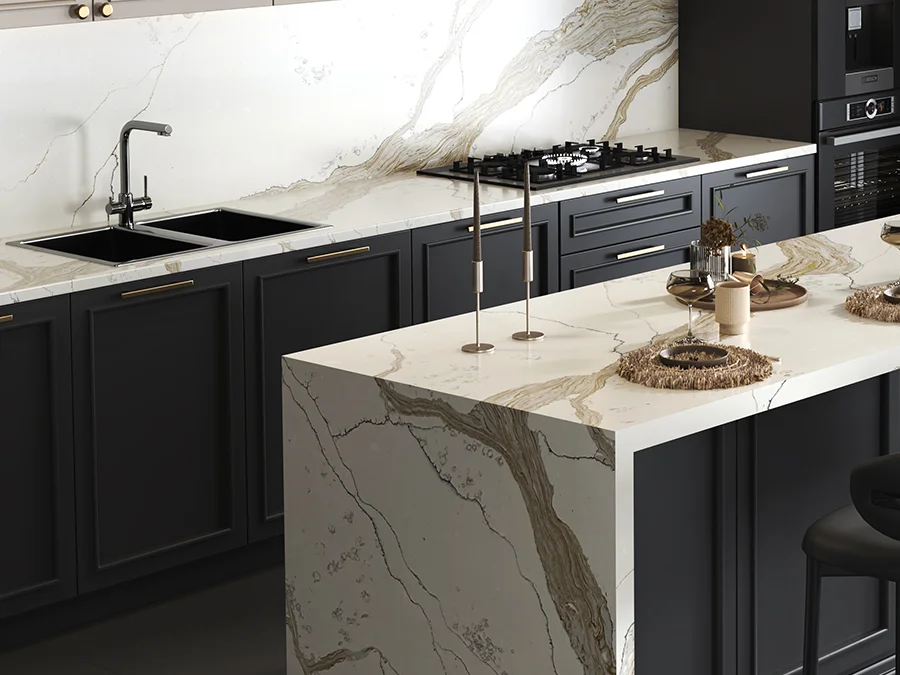
When evaluating the question, “Is Calacatta gold quartz expensive?“, the answer is nuanced. On the surface, its price point is higher than many entry-level countertop options. However, when viewed through the lens of long-term value, durability, and aesthetic appeal, Calacatta Gold quartz emerges as a remarkably intelligent investment.
It offers the unparalleled beauty and sophisticated look of natural Calacatta Gold marble, a material that often comes with a price tag two to three times higher and demands intensive maintenance. In contrast, Calacatta Gold quartz provides a virtually maintenance-free surface that is highly resistant to stains, scratches, and bacteria, making it perfect for the demands of a modern home.
Ultimately, Calacatta Gold quartz delivers a “million-dollar look” without the associated “million-dollar headache” of natural stone. For homeowners seeking a timeless, elegant, and highly functional surface that will enhance their home’s value and stand the test of time, the investment in Calacatta Gold quartz is undoubtedly worthwhile. It is a choice that combines luxury with practicality, ensuring your space remains beautiful and functional for decades to come.

FAQs

1. What is the average cost of Calacatta Gold quartz per square foot?

On average, Calacatta Gold quartz, including material and installation, typically ranges from $60 to $130 per square foot. This price can fluctuate based on the brand, slab thickness, design complexity, and your geographic location.

Its higher price is primarily due to the intricate and realistic veining patterns that mimic natural Calacatta Gold marble. The advanced manufacturing processes and specialized technology required to create these detailed designs contribute to increased production costs compared to simpler quartz patterns.

No, one of the significant advantages of Calacatta Gold quartz is its low maintenance. It is a non-porous material, meaning it does not require sealing. Regular cleaning with mild soap and water is usually sufficient to keep it looking pristine.

For kitchen countertops, a 3cm (1 1/4 inch) thickness is generally recommended. It offers superior strength, durability, and a more substantial, luxurious appearance. While 2cm can be used, it may require additional support and is often preferred for vertical applications or bathroom vanities.

While quartz is heat-resistant, it is not entirely heat-proof. The resins used in its composition can be damaged by extreme, direct heat, potentially leading to discoloration or warping. Always use trivets or hot pads under hot cookware to protect your Calacatta Gold quartz countertops.

Calacatta Gold quartz is significantly more affordable than natural Calacatta Gold marble, often costing two to three times less. In terms of durability, quartz is superior; it is non-porous, highly resistant to stains and scratches, and requires no sealing, unlike natural marble which is porous and prone to etching and staining.

Yes, installing Calacatta Gold quartz is considered a valuable home upgrade. Its luxurious appearance, combined with its practical benefits of durability and low maintenance, makes a home more attractive to potential buyers and can positively impact its resale value.

To save money, consider exploring different brands, looking for remnants for smaller projects, choosing standard edge profiles, optimizing your kitchen layout to minimize seams and cutouts, and obtaining multiple quotes from various fabricators to compare pricing and services.

Send Your Inquiry Today

Click or drag a file to this area to upload.
Scroll to Top