
When you begin the journey of designing your dream home, the materials you choose speak volumes about your personal style and the atmosphere you wish to create. Among the most versatile and stunning options available today is quartz stone. Whether it is the raw, crystalline beauty found deep within the earth or the meticulously crafted slabs used for high-end kitchen countertops, quartz has captured the imagination of designers and homeowners alike. But have you ever wondered, amidst the vast spectrum of available hues, what is the rarest color of quartz stone? Understanding the rarity of certain colors not only adds to the allure of the material but also helps you appreciate the innovation behind modern engineered quartz stone.
In the natural world, quartz is one of the most abundant minerals on Earth’s crust, yet its purest forms and most vibrant colors are surprisingly elusive. While clear quartz is common, the presence of trace elements and specific geological conditions can transform this mineral into a gemstone of extraordinary beauty. For those looking to bring this sense of “rare find” into their living spaces, the engineered quartz stone industry has made it possible to replicate these elusive natural patterns with enhanced durability and consistency. This article explores the fascinating world of rare quartz colors and how you can leverage these trends for your own home design.
Table of Contents
What is the Rarest Color of Quartz Stone in Nature?
To understand what makes a particular quartz stone rare, we must first look at the geological “lottery” that occurs during its formation. Rarity in the mineral kingdom is often defined by the scarcity of the specific conditions required to produce a certain hue. Most natural quartz is formed from silicon dioxide, but when other minerals or radiation enter the mix, the color changes. The rarest color of quartz stone is typically one that requires a perfect storm of chemical purity, specific temperature ranges, and millions of years of undisturbed growth.
While many people are familiar with the common white or smoky varieties, colors like deep violet, vivid yellow, and true black are far less frequent. These colors are not just aesthetically pleasing; they are geological anomalies. For a quartz stone website or a homeowner, knowing these distinctions is key to choosing a surface that feels both unique and timeless. In the following sections, we will delve into the specific varieties that hold the title of being the most uncommon in the natural world.

The Mystery of Deep Violet Amethyst: A Rare Quartz Stone Gem
Amethyst is perhaps the most famous variety of quartz stone, celebrated for centuries for its regal purple tones. However, not all amethyst is created equal. While light lavender shades are relatively common, the deep violet amethyst is considered a true rarity. This intense coloration is the result of iron impurities combined with natural irradiation within the earth’s crust. When the concentration of these elements is just right, the quartz takes on a saturated, velvety purple that has been prized by royalty since ancient times.
If you are looking for a rare quartz stone to serve as a focal point in your design, the deep violet hues of premium amethyst are hard to beat. In the world of engineered quartz stone, manufacturers often draw inspiration from these deep, moody purples to create statement pieces for vanities or accent walls. By using “you” as the designer of your space, you can appreciate how such a rare color can transform a standard room into a luxurious sanctuary. The deep violet amethyst remains a benchmark for beauty and rarity in the quartz family.
Golden Citrine and Lemon Quartz: The Rarity of Yellow Quartz Stone
Yellow is a color that brings warmth and energy to any space, but finding a natural yellow quartz stone is a significant challenge. Natural citrine, which ranges from a pale yellow to a deep, burnt orange, is one of the rarest varieties of quartz found in the environment. Most of the “citrine” you see on the market today is actually heat-treated amethyst or smoky quartz. While these treated stones are beautiful, they lack the subtle, golden-to-lemon glow of a true, naturally occurring lemon quartz.
The rarity of natural yellow quartz stone stems from the specific iron hydrates required during its crystallization. Because these conditions are so infrequent, a genuine piece of golden citrine is highly valued by collectors. For your engineered quartz stone website, highlighting how modern technology can replicate these sunny, “rare” yellow tones is a great way to appeal to homeowners who want a bright, cheerful kitchen without the high cost and scarcity of natural citrine. When you choose a quartz surface with these golden undertones, you are bringing a piece of geological rarity into your daily life.
Vibrant Pink Rose Quartz: A Unique and Rare Quartz Stone Find
Rose quartz is often associated with soft, pastel pinks and a cloudy appearance. However, there is a version known as vibrant pink quartz that is exceptionally rare. Unlike the common rose quartz, which gets its color from fibrous inclusions of a pinkish mineral, the most unique and rare quartz stone in this category features a deep, translucent pink that is almost neon in its intensity. This specific coloration is often found in only a few locations worldwide, making it a prized find for gemstone enthusiasts.
In home design, using a pink quartz stone can add a touch of romance and softness to a bathroom or a boutique-style dressing room. Because the most vibrant shades are so hard to find in large natural slabs, engineered quartz stone provides a perfect alternative. You can enjoy the aesthetic of a rare, vibrant pink stone with the added benefit of a non-porous surface that won’t stain or fade over time. This blend of natural inspiration and engineered perfection is what makes quartz such a dominant force in the modern market.
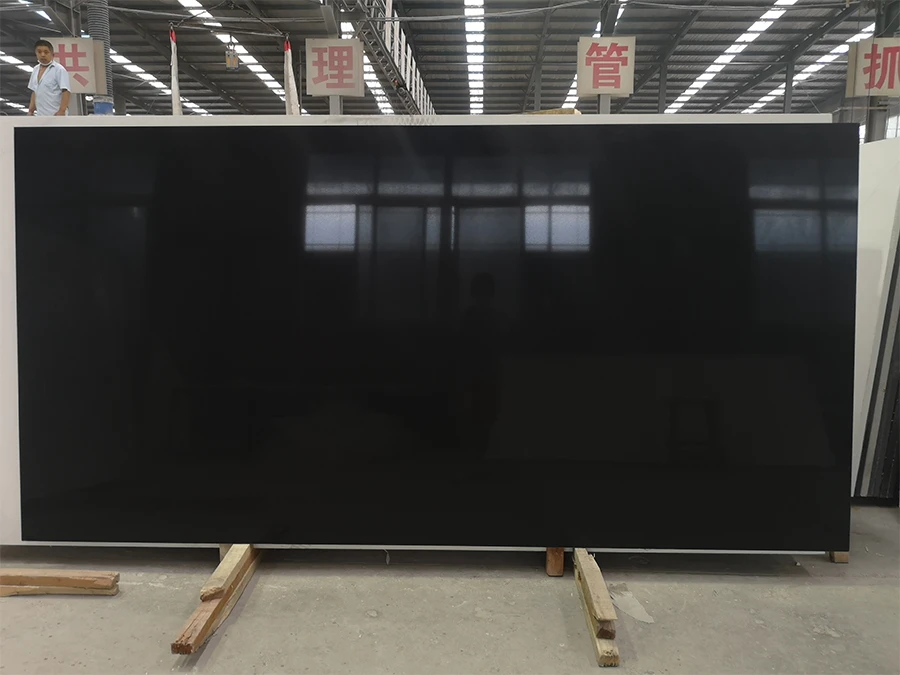
The Enigma of Pure Black Quartz Stone
While many people might think they have seen black quartz stone, most of what is commonly available is actually a very dark brown or gray, known as smoky quartz. A truly pure black quartz, often referred to as “Morion,” is an exceedingly rare occurrence in nature. This deep, opaque black is caused by intense natural radiation over millions of years, which alters the crystal lattice of the stone until it no longer allows light to pass through.
Finding a large, flawless slab of pure black quartz for a kitchen island is nearly impossible in the natural stone market. This is where the innovation of engineered quartz stone truly shines. By using high-quality pigments and resins, manufacturers can create a black quartz stone that is as dark as the midnight sky, providing a sleek and sophisticated look for your home. Whether you prefer a matte or polished finish, a black quartz surface offers a dramatic contrast that is both rare in nature and stunning in a modern kitchen.
Factors Influencing the Rarity of Natural Quartz Stone Colors
The journey from a simple silicon dioxide molecule to a rare quartz stone is influenced by a multitude of external factors. One of the primary drivers is the presence of trace elements. For instance, aluminum can lead to the creation of smoky or purple hues, while iron is responsible for yellows and browns. However, it isn’t just about the presence of these elements; it’s about the exact concentration and the environment in which they interact.
Another fascinating factor is natural radiation. The earth’s crust contains trace amounts of radioactive elements that, over eons, can change the color of a quartz stone. This is how amethyst gets its purple hue and how smoky quartz turns dark. Additionally, rare geological events like volcanic eruptions or even meteorite impacts can create the high-pressure, high-temperature environments necessary for unique quartz variations to form. Understanding these natural quartz stone colors helps you see why certain slabs are more than just building materials—they are pieces of history.
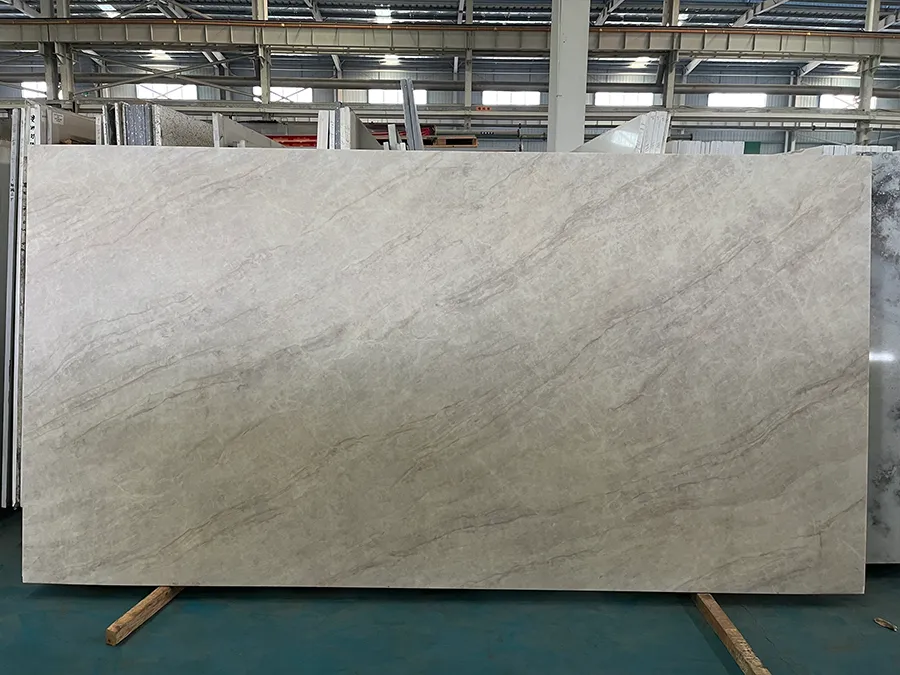
Bringing Rare Beauty Home: The Rise of Engineered Quartz Stone
While the natural world offers breathtaking examples of rare minerals, the limitations of natural stone—such as porosity, fragility, and inconsistent patterning—can make it a challenge for everyday use. This is where engineered quartz stone has revolutionized the industry. By combining approximately 90-95% crushed natural quartz with high-performance resins and pigments, manufacturers can create slabs that not only mimic the rarest color of quartz stone but also exceed it in terms of practical performance.
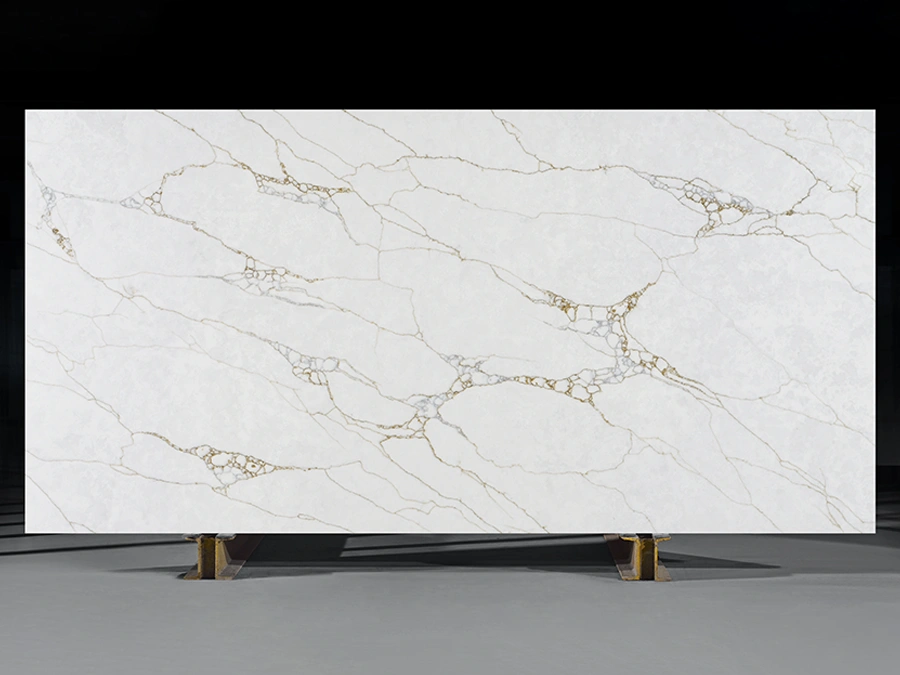
For a quartz stone website, the message is clear: you no longer have to compromise between beauty and durability. Engineered surfaces allow for a level of customization that nature simply cannot provide. Whether you are looking for the delicate veining of a rare Calacatta marble or the deep, saturated tones of a rare quartz stone like amethyst, engineered quartz delivers a consistent look across multiple slabs. This makes it the ideal choice for large-scale projects where a uniform aesthetic is essential for a cohesive home design.
Conclusion: Elevate Your Space with the Timeless Elegance of Quartz Stone
From the hidden depths of the earth where the rarest color of quartz stone is formed to the cutting-edge factories producing the latest engineered quartz stone, the story of this mineral is one of constant evolution. Whether you are drawn to the mystery of a deep violet amethyst or the sleek sophistication of a pure black quartz, there is no denying the impact that quartz can have on a home’s design.
By choosing quartz, you are not just selecting a countertop; you are investing in a material that offers the perfect blend of natural beauty and modern performance. As you explore the possibilities for your own space, remember that the best choice is one that reflects your unique style while meeting the demands of your lifestyle. With the wide range of quartz stone colors and innovations like zero silica quartz available today, there has never been a better time to bring the timeless elegance of quartz into your home.