
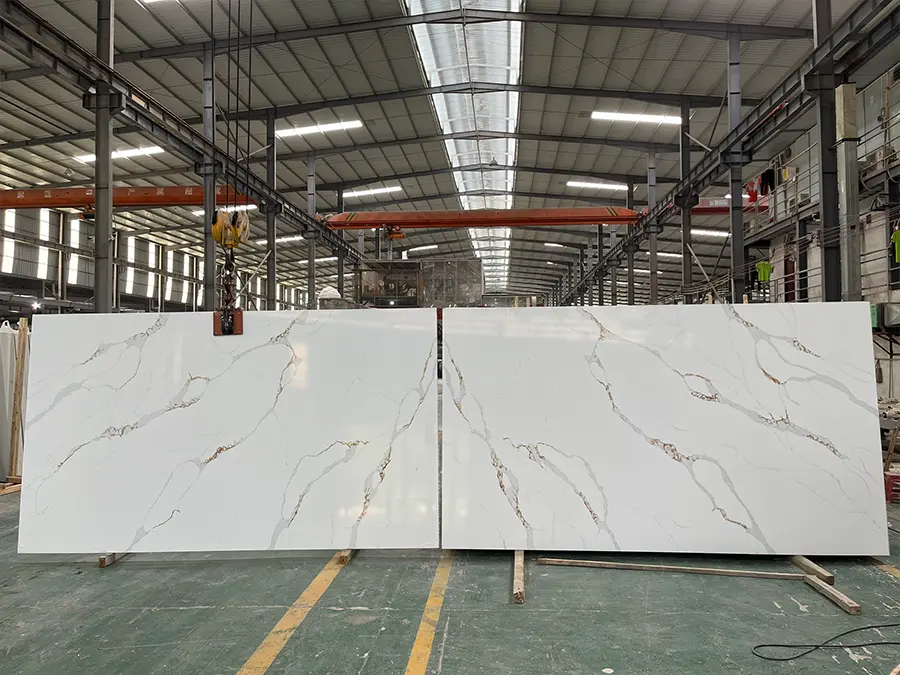
What is Calacatta Quartz? Expert Guide for 2026

When you are planning a kitchen renovation or designing a new bathroom, the choice of countertop material is one of the most critical decisions you will make. Among the vast array of options available today, Calacatta Quartz has emerged as the definitive gold standard for homeowners and designers alike. This high-end engineered stone captures the timeless elegance of natural Italian marble while offering the unmatched durability of modern technology. In this comprehensive guide, we will explore why Calacatta Quartz is the perfect investment for your living spaces, comparing its features, benefits, and applications to help you make an informed choice.

Table of Contents

What is Calacatta Quartz?
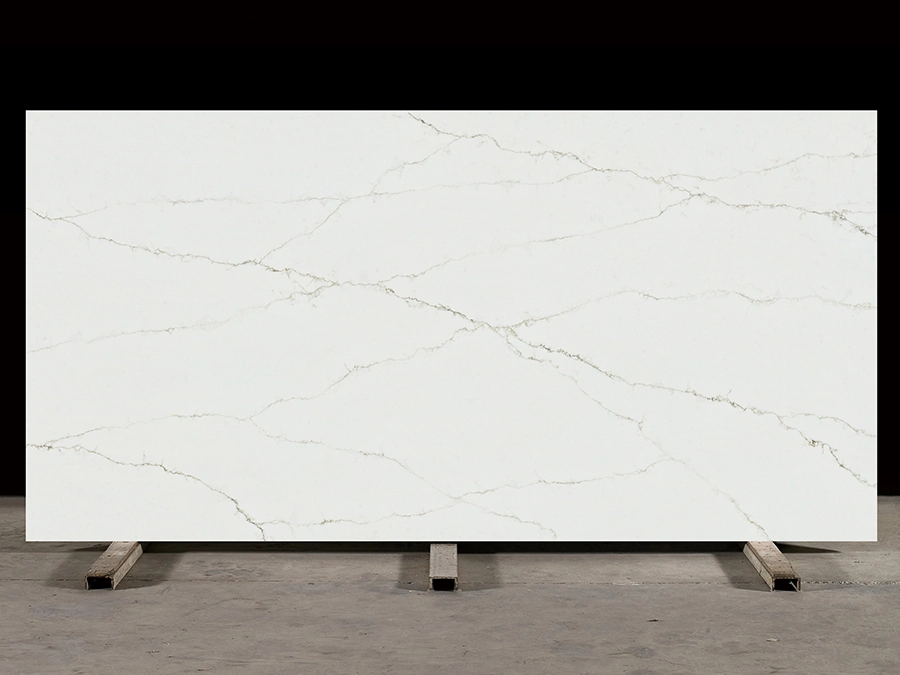
Calacatta Quartz refers to a specific aesthetic style of engineered quartz stone that meticulously replicates the appearance of natural Calacatta marble. Originating from the Apuan Mountains in Carrara, Italy, natural Calacatta marble is renowned for its striking white background and bold, thick veining, often in shades of grey, gold, or even brown. Calacatta Quartz is designed to capture this luxurious look, offering a consistent pattern and color that is difficult to achieve with natural stone. It is not a type of natural stone itself, but rather a manufactured product that combines the beauty of marble with the superior performance characteristics of quartz.

Features of Calacatta Quartz: Where Beauty Meets Engineering

Calacatta Quartz is not just a stone; it is a masterpiece of engineering. Unlike natural marble, which is quarried directly from the earth, Calacatta Quartz is an engineered surface composed of approximately 90% to 93% crushed natural quartz crystals, combined with high-quality resins and pigments. This manufacturing process allows for the creation of a surface that is incredibly dense, non-porous, and remarkably consistent in its appearance.
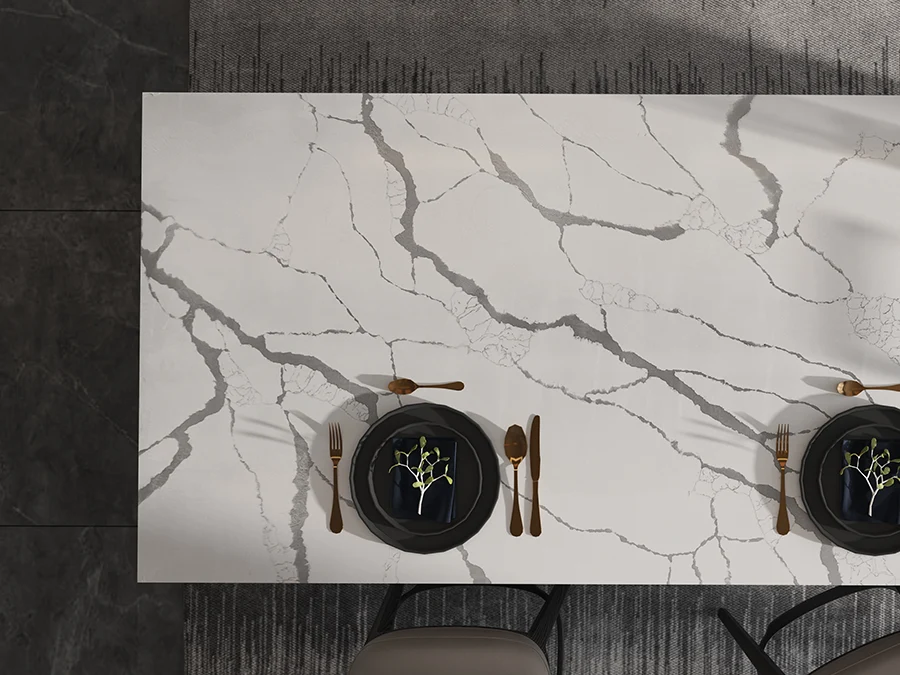
The most striking feature of Calacatta Quartz is its aesthetic. It typically features a bright, clean white background accented by bold, dramatic veining that ranges from soft greys to deep golds. This pattern is designed to mimic the luxurious look of Calacatta marble from the Apuan Mountains in Italy. However, because it is engineered, you can enjoy a level of pattern consistency that is rarely found in natural stone. This means that when you are installing multiple slabs in a large kitchen, the veins can be book-matched or aligned perfectly, creating a seamless and sophisticated look that elevates the entire room.
Beyond its beauty, the physical properties of Calacatta Quartz are what truly set it apart. It is one of the hardest minerals on Earth, ranking a 7 on the Mohs scale of mineral hardness. This makes it exceptionally resistant to scratches, chips, and cracks. Furthermore, its non-porous nature means that it does not require sealing, unlike natural stones that have microscopic pores where bacteria and stains can hide. When you choose Calacatta Quartz, you are choosing a surface that is as hygienic as it is beautiful.

Calacatta Quartz vs. Natural Marble: A Detailed Comparison for Your Selection
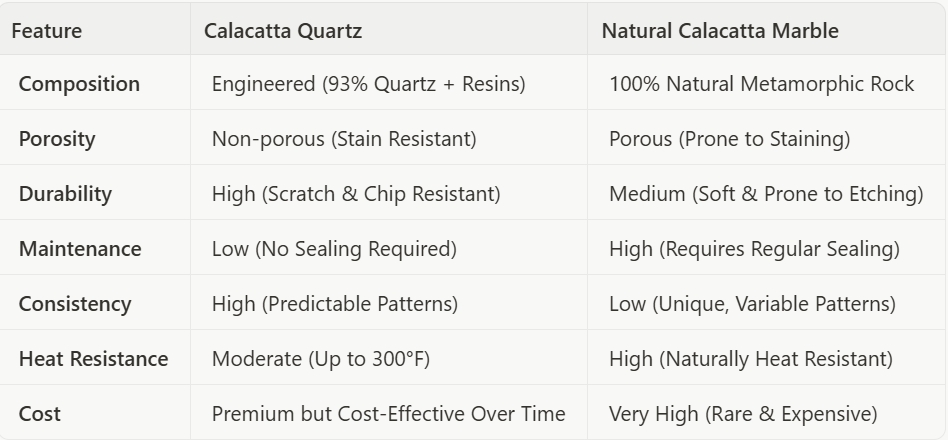
Choosing between Calacatta Quartz and natural marble often comes down to a balance between aesthetics and practicality. While natural marble has a unique charm, it is also notoriously high-maintenance. To help you understand the differences, we have compiled a detailed comparison table below.

As you can see from the table, Calacatta Quartz offers significant advantages in terms of durability and maintenance. Natural marble is susceptible to “etching,” a process where acidic substances like lemon juice or wine react with the calcium carbonate in the stone, leaving dull spots on the surface. Calacatta Quartz is immune to this type of chemical damage, making it a much more practical choice for a busy kitchen where spills are inevitable. While marble may have a slight edge in pure heat resistance, the overall resilience of quartz makes it the superior all-around performer for modern living.
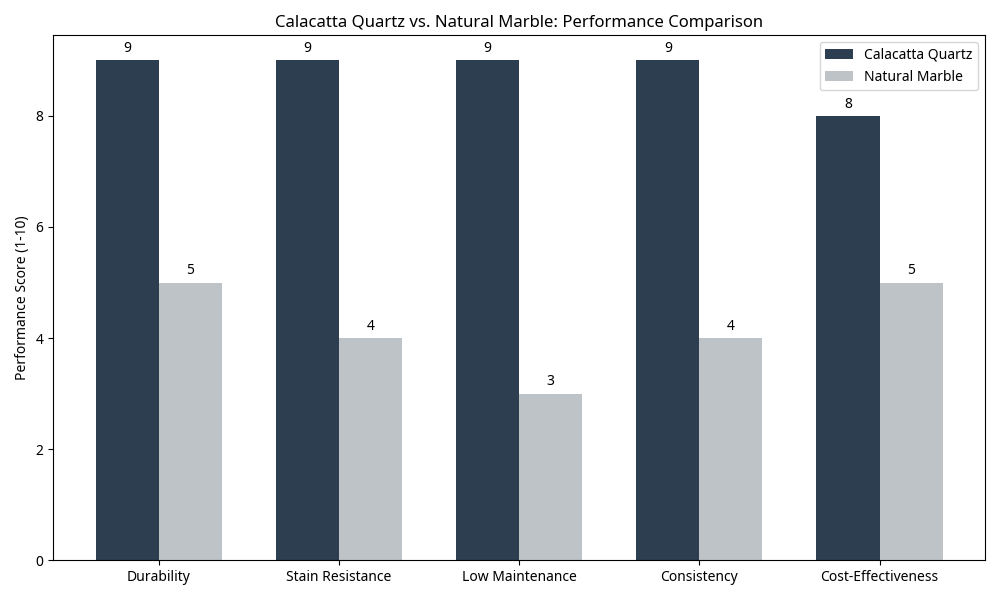
calacatta_vs_marble_comparison

The Diverse Applications of Calacatta Quartz in Your Living Spaces

The versatility of Calacatta Quartz makes it suitable for a wide range of applications throughout your home and even in commercial settings. Its ability to withstand heavy use while maintaining its luxurious appearance has made it a favorite for several key areas.

Kitchen Countertops and Backsplashes

The kitchen is the heart of the home, and it is also the area that sees the most “action.” Calacatta Quartz is the ideal material for kitchen countertops because it can handle the rigors of daily meal preparation. Whether you are rolling out dough, chopping vegetables, or hosting a dinner party, you can trust that your quartz surface will remain pristine. Many homeowners also choose to extend the quartz from the countertop up the wall as a full-height backsplash. This creates a stunning visual statement and makes cleaning up splashes from cooking much easier, as there are no grout lines to worry about.

Bathroom Vanities and Shower Walls

In the bathroom, moisture resistance is paramount. The non-porous nature of Calacatta Quartz makes it an excellent choice for vanity tops, where it will frequently be exposed to water, soap, and grooming products. It is also increasingly being used for shower walls and tub surrounds. Large-format quartz slabs provide a sleek, modern look with minimal seams, reducing the areas where mold and mildew can grow. When you step into a bathroom adorned with Calacatta Quartz, you feel as though you are in a high-end spa.

Flooring and Wall Cladding

For those looking to make a bold architectural statement, Calacatta Quartz can be used for flooring and interior wall cladding. Its durability makes it suitable for high-traffic areas like entryways and hallways. The consistent pattern allows for large-scale installations that look cohesive and grand. In commercial spaces such as hotel lobbies, luxury boutiques, and corporate offices, Calacatta Quartz provides a sophisticated backdrop that communicates quality and attention to detail.

Key Benefits of Choosing Calacatta Quartz for Your Next Project
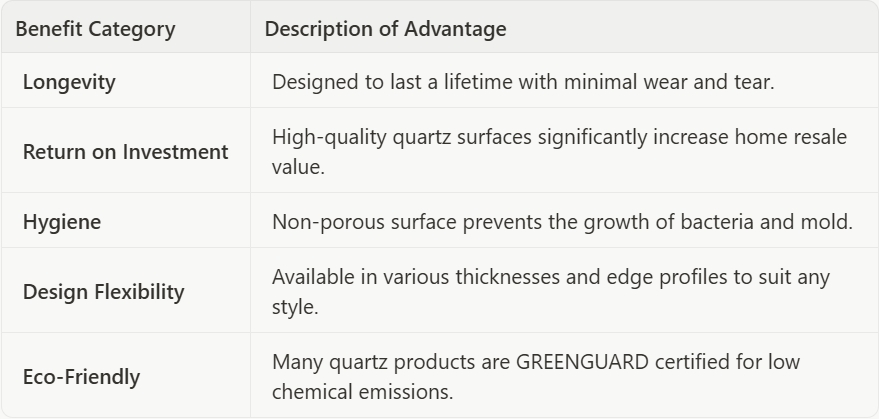
When you invest in Calacatta Quartz, you are not just buying a countertop; you are investing in the long-term value and functionality of your property. The benefits of this material extend far beyond its initial installation.

One of the most significant benefits for you as a homeowner is the peace of mind that comes with low maintenance. You don’t have to worry about scheduling annual sealing appointments or using specialized stone cleaners. A simple wipe with a damp cloth and mild soap is usually all that is needed to keep your Calacatta Quartz looking brand new. This ease of care, combined with its incredible durability, means that your investment will continue to pay off for decades to come.

Technical Specifications and Performance Data of Calacatta Quartz
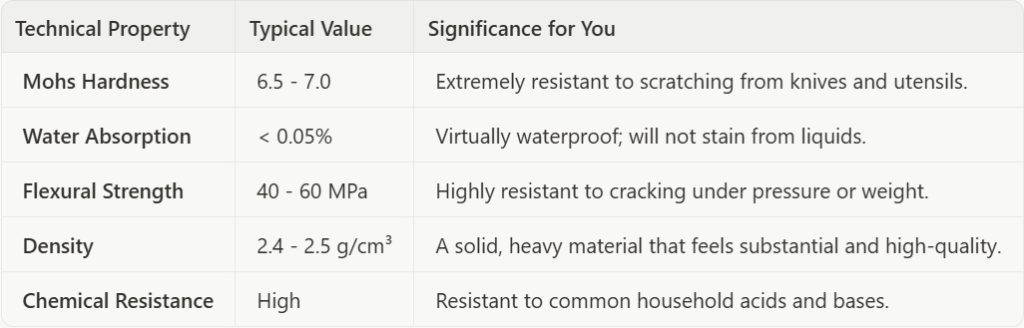
To truly appreciate the quality of Calacatta Quartz, it is helpful to look at the technical data that defines its performance. These specifications are the result of rigorous testing and quality control measures.

These numbers tell a story of a material that is built to endure. The low water absorption rate is particularly important, as it means that even if you leave a spill overnight, it is unlikely to penetrate the surface. The high flexural strength ensures that the slabs can be fabricated into long spans or overhanging breakfast bars without the risk of snapping. When you look at the technical specs, it becomes clear why Calacatta Quartz is the preferred choice for professional architects and designers.

Maintenance and Care: Keeping Your Calacatta Quartz Surfaces Pristine
While Calacatta Quartz is incredibly durable, following a few simple care guidelines will ensure it remains in perfect condition for a lifetime. You will find that maintaining quartz is much easier than maintaining almost any other premium surface.
For daily cleaning, simply use a soft cloth or sponge with warm water and a mild dish soap. This will remove most surface dust and food residues. If you encounter a more stubborn spot, such as dried food or grease, you can use a non-abrasive household cleaner. Always avoid using harsh chemicals like bleach, oven cleaners, or high-pH strippers, as these can potentially damage the resin that binds the quartz together.
Although quartz is heat resistant, it is not heat-proof. The resins used in the engineering process can be damaged by sudden or extreme temperature changes, a phenomenon known as “thermal shock.” Therefore, you should always use a trivet or hot pad when placing hot pots, pans, or baking sheets directly from the stove or oven onto the surface. Similarly, while quartz is scratch-resistant, using a cutting board is always recommended to protect both your countertops and your knives.

Conclusion: Investing in the Timeless Elegance of Calacatta Quartz

Calacatta Quartz represents the perfect marriage of luxury and logic. It offers the breathtaking beauty of the world’s finest marble without the fragility and high maintenance that typically accompany it. Whether you are looking to upgrade your kitchen, transform your bathroom, or add a touch of elegance to a commercial space, Calacatta Quartz provides a durable, hygienic, and stunning solution.
By choosing Calacatta Quartz, you are making a long-term investment in your home’s beauty and value. Its exceptional performance, ease of care, and timeless design ensure that it will remain a centerpiece of your interior for many years to come. If you are ready to elevate your space with the gold standard of engineered stone, Calacatta Quartz is undoubtedly the right choice for you.

FAQs

1. Is Calacatta Quartz more expensive than marble?

Generally, Calacatta Quartz is more affordable than high-grade natural Calacatta marble. While it is a premium product, the lower cost of installation and the lack of ongoing maintenance expenses make it a more cost-effective choice in the long run.

No, Calacatta Quartz is highly stain-resistant due to its non-porous surface. Common household liquids like coffee, wine, and oil will not penetrate the surface, making it very easy to clean.

It is generally not recommended for outdoor use. The resins used in engineered quartz can discolor or “yellow” when exposed to direct ultraviolet (UV) light from the sun over an extended period.

Yes, it is heat resistant up to a certain point (usually around 300°F). However, to prevent any potential damage from thermal shock, you should always use trivets or hot pads for hot cookware.

Send Your Inquiry Today

Click or drag a file to this area to upload.
Scroll to Top