
Before you start your kitchen or bathroom renovation project, you need to understand the financial commitment. Specifically, you should know the quartz countertops cost per square foot installed.
This guide provides a detailed breakdown of what you can expect to pay in 2026. We will cover material grades, installation factors, and how quartz compares to other popular stones. By the end of this article, you will have a clear picture of your potential investment.
Table of Contents
Understanding Quartz Countertops Cost Per Square Foot Installed
The total price you pay for quartz countertops is usually quoted as a “per square foot installed” rate. This number includes both the raw material and the professional labor required to fit it into your home. On average, homeowners spend between $50 and $150 per square foot installed.
The wide range in pricing is primarily due to the quality of the quartz. Unlike natural stone, quartz is an engineered product. It consists of roughly 90-95% crushed natural quartz and 5-10% resins and pigments. The complexity of the design and the reputation of the brand significantly impact the final price.
Price Tiers for Quartz Countertops
To help you budget, it is useful to look at quartz in three distinct categories:
Quartz Colors
Cost Per Square Foot (Installed)
Characteristics
Key Factors Influencing the Cost
Several variables can push your project toward the lower or higher end of the price spectrum. Understanding these factors will help you make informed choices during the selection process.
1. Material Quality and Brand
Not all quartz is created equal. Premium brands invest heavily in research and development to create slabs that look exactly like natural marble or granite. These high-end options often come with better warranties and more consistent quality control. If you choose a “designer” color with intricate veining, expect the quartz countertops cost per square foot installed to be higher.
2. Slab Thickness
Quartz slabs typically come in two thicknesses: 2 centimeters (cm) and 3 centimeters (cm).
2cm Slabs: These are lighter and cheaper. However, they often require extra support or a built-up edge to look substantial.
3cm Slabs: This is the industry standard for kitchens. They are more durable and provide a luxury feel without needing extra plywood support.
3. Complexity of the Layout
A simple rectangular island is much easier to install than a kitchen with multiple corners, seams, and cutouts. Every sink hole, cooktop cutout, and electrical outlet notch requires precision tools and extra labor. These “extras” are often bundled into the total quartz countertops cost per square foot installed, but they can increase the base rate.
4. Edge Treatments
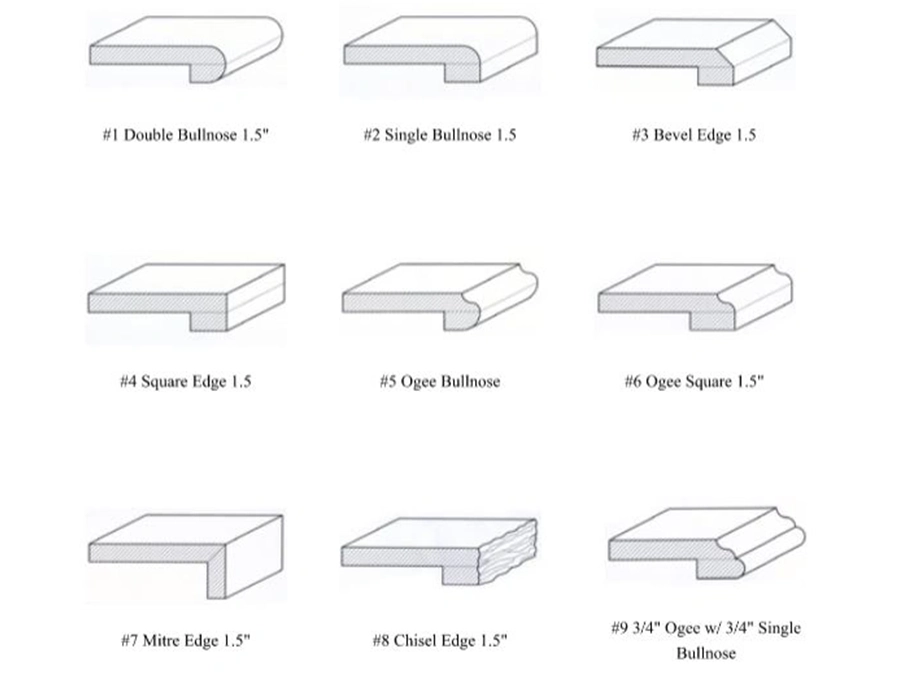
The way the edges of your countertop are finished can also affect the price. Standard edges like “eased” or “square” are usually included in the base price. Decorative edges like “Ogee,” “Bullnose,” or “Waterfall” require more fabrication time. You might pay an additional $10 to $60 per linear foot for these premium details.
Installation and Labor Costs
While the material is the largest expense, professional installation is non-negotiable. Quartz is incredibly heavy and can crack if not handled correctly. Professional installers ensure that the cabinets are level and the seams are nearly invisible.
Typically, labor accounts for $25 to $50 per square foot of the total project cost. This includes templating (measuring your space), fabrication (cutting the stone), and the final installation. If your project involves removing old countertops, expect to pay an additional $300 to $600 for demolition and disposal.
Quartz vs. Granite vs. Marble: Cost Per Square Foot Installed Comparison
Many homeowners weigh quartz against natural stones like granite and marble. While the prices can overlap, each material offers different benefits.
As shown in the table, quartz is often more expensive than entry-level granite but offers significant savings in long-term maintenance. Because it is non-porous, it does not require the annual sealing that natural stones need.
How to Save Money on Your Quartz Countertop Project
If you are on a tight budget, there are several ways to lower the quartz countertops cost per square foot installed without sacrificing quality:
Choose Standard Edges: Stick to eased or beveled edges to avoid extra fabrication fees.
Look for Remnants: If you are doing a small bathroom vanity, ask your fabricator for “remnants.” These are leftover pieces from larger projects sold at a deep discount.
Limit Cutouts: Try to keep your layout simple. Fewer seams and cutouts mean less labor.
Compare Multiple Quotes: Always get at least three quotes from local fabricators. Prices can vary significantly based on their current inventory and overhead.
Frequently Asked Questions (FAQ)
Is quartz more expensive than granite?
Generally, quartz starts at a higher price point than entry-level granite. However, high-end granite can be much more expensive than premium quartz. When you factor in the cost of sealing granite every year, quartz often becomes the more cost-effective choice over time.
Does the color of quartz affect the price?
Yes. Colors that are easier to manufacture (like solid whites or grays) are usually cheaper. Colors that mimic the look of rare marble with complex veining require more advanced technology and are therefore more expensive.
How long do quartz countertops last?
Quartz countertops are designed to last a lifetime. Most manufacturers offer warranties ranging from 10 years to a lifetime. Because they are resistant to scratches, stains, and heat, they maintain their beauty for decades with minimal care.
Can I install quartz countertops myself?
It is not recommended. Quartz is extremely heavy and requires specialized tools for cutting and polishing. A single mistake can ruin an expensive slab. Professional installation ensures your warranty remains valid and your countertops are safe.
Conclusion
Investing in new surfaces is one of the best ways to increase your home’s value. The quartz countertops cost per square foot installed reflects the material’s superior durability and aesthetic appeal. While the upfront cost might be higher than some alternatives, the lack of maintenance and long-term resilience make it a smart financial choice.
Whether you choose a budget-friendly entry-level slab or a luxurious premium design, quartz will transform your space. Always work with reputable fabricators and take the time to compare samples in your own home’s lighting. With the right planning, you can achieve a stunning look that fits perfectly within your budget.